
Advancing Biopharmaceutical Excellence through AI, Automation, and Sustainability
Technological advancements and sustainability are catalyzing a significant shift in the life sciences sector. Cutting-edge solutions enhance efficiency, regulatory compliance, and eco-friendliness, while innovative therapies reshape the future. This dynamic landscape heralds a promising era of growth and transformation for the industry.
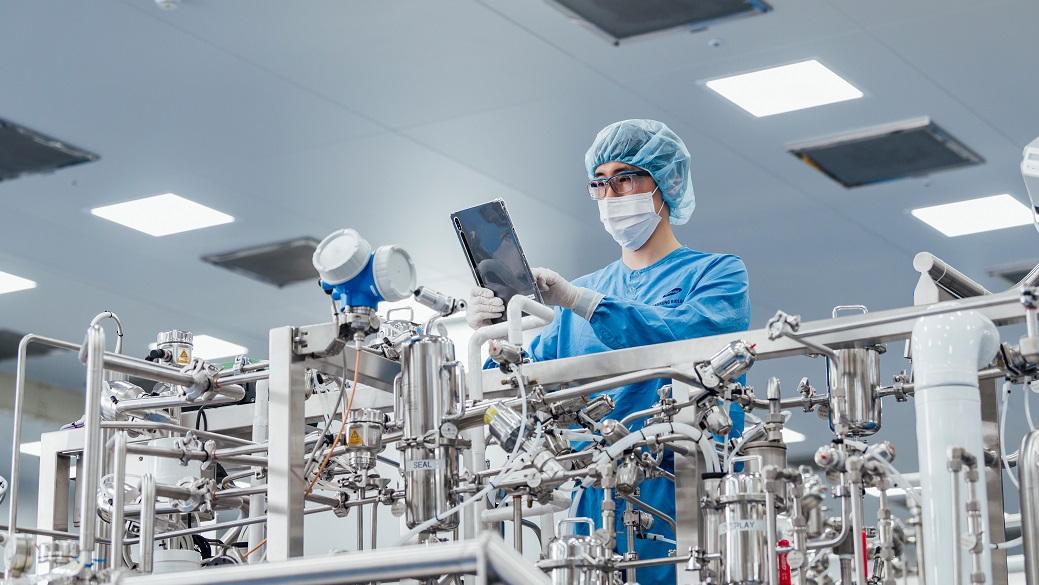
Harnessing AI: Elevating Quality Control in Biopharma
The biopharmaceutical industry is being transformed by the integration of AI and machine learning across various facets, particularly in quality control.
AI's Role in Revolutionizing Manufacturing
AI is not only streamlining manufacturing processes but is also enhancing quality assurance. Systems powered by AI can analyze vast datasets in real-time, predicting potential production issues before they become apparent. This capability is vital for maintaining a consistent product quality and minimizing manufacturing errors. By analyzing data from sensors and other inputs, these intelligent systems can make instantaneous adjustments to ensure uniformity.
Moreover, AI enables the identification of anomalies during the production process, which boosts the reliability of the end product. The predictive analytics provided by AI also help in scheduling maintenance activities before machines experience downtime, thereby increasing overall operational efficiency. This use of AI in manufacturing reflects a broader trend toward more adaptive and intelligent production methods.
Regulatory Support for AI Innovation
Regulatory agencies are beginning to acknowledge the potential benefits of AI in pharmaceutical manufacturing. Efforts such as the Advanced Manufacturing Technologies Designation Program are focusing on speedier support for AI-driven innovations. This approach facilitates the swift adoption of AI technologies by offering guidance and speeding up the clearance of new processes that improve product quality or reduce development times.
Through these adaptive regulatory practices, a balance is achieved between maintaining stringent quality standards and supporting the integration of AI. This shift from traditional lengthy review processes toward more dynamic oversight is essential in keeping pace with technological advancements.
Investing in the Future of AI
Substantial investment in AI-driven manufacturing is anticipated in the coming years, marking its importance across multiple industries, including biopharmaceuticals. These investments are crucial for the advancement in areas such as predictive maintenance, process optimization, and autonomous supply chain operations.
As a result, biopharma companies can achieve improved process efficiencies and greater assurance in production quality. Seeing the potential benefits, various industry stakeholders are increasingly investing in AI to develop and refine autonomous operations that can manage even the most complex manufacturing tasks independently.
Sustainability: Leading the Charge Toward Green Bioprocessing
The biopharmaceutical industry is adopting sustainable practices to mitigate environmental impact, a crucial element for the industry's longevity and ecological responsibilities.
Policy Initiatives for a Greener Future
Environmental sustainability in biopharma is being bolstered through policy initiatives that promote sustainable manufacturing practices. These policies are designed to incentivize green methodologies. By integrating environmental conservation with biomanufacturing, regions aim to lead globally in sustainable production.
Policies encouraging high-performance biomanufacturing and eco-friendly growth also contribute to job creation in environmentally conscious sectors. This approach ensures that economic advancements go hand in hand with ecological stewardship, reinforcing the industry’s commitment to sustainability.
The Rise of Sustainable Bioprocessing Materials
A shift toward sustainable materials is marking the biopharma industry's commitment to reducing its ecological footprint. The sector is embracing bio-based polymers and single-use systems that align with the goals of green bioprocessing. These materials help in reducing waste and curtailing the environmental effects of traditional production methods.
Replacing conventional non-biodegradable materials with eco-friendly alternatives derived from natural sources not only aligns biopharma manufacturing with sustainability objectives but also sets the standard for other industries looking to enhance their environmental accountability.
Renewable Resources: Powering a Sustainable Industry
Biopharmaceutical companies are transitioning towards renewable energy sources to power their operations more sustainably. Technologies derived from biological resources such as biomass or algae are central to reducing the reliance on fossil fuels and lowering carbon emissions in manufacturing processes.
Innovative energy solutions like geothermal energy are only one part of a varied approach to sustainable energy that includes biofuels and biogas. These alternatives help biopharmaceutical facilities cut down their ecological footprint significantly. Continuous research into enhancing biofuels aims to optimize efficiency, underscoring the role of renewable energies in advancing the sustainability agenda.
Decoding the Rise of Advanced Filling Technologies
Pharmaceutical filling technologies are experiencing a significant evolution, driven by demands for more precision and efficiency.
The Driving Forces Behind the Growth
The rise in demand for complex biologics necessitates advancements in pharmaceutical filling technologies. Aseptic processes are essential to minimize contamination risks and accommodate the sensitive nature of biologics, demanding sophisticated and efficient filling solutions that ensure product integrity.
The growth in this segment is driven by the need to balance production speed with precision, accommodating the unique requirements of modern medical formulations and reducing the risk of contamination during production and packaging.
Innovations in Filling Technologies
Technological innovations are enhancing filling techniques, enabling safer and more efficient production. Isolator technologies create protective environments that significantly minimize contamination risks during the filling process. Automation in filling lines is also revolutionizing production by increasing processing speeds and maintaining consistent quality levels.
Advanced filling systems, such as high-speed vial fillers and pre-filled syringes, are optimized for biologics, maintaining the required environmental conditions and minimizing particulates. These technological advancements mark a significant step in the evolution of pharmaceutical packaging, ensuring both efficacy and safety are maintained.
The Role of Automation and AI
Automation and AI stand at the forefront of modernizing pharmaceutical production lines. These technologies help ensure compliance with stringent regulatory standards while achieving production efficiencies. By facilitating scalability, AI and automation not only accelerate production but also enhance quality control, making systems more robust and less prone to error.
Enhancing these systems with AI-driven quality controls pushes them to become even more reliable and effective, reinforcing the trend of leveraging technology to meet the demands and complexities of modern pharmaceutical production.
The Power of Solvents: Navigating Environmental Compliance
Solvents play a significant role in the biopharmaceutical manufacturing process, yet they also pose environmental and health challenges.
The Shift Towards Green Solvents
To mitigate environmental impact, the industry is moving towards adopting green solvents that have minimal toxicity and are environmentally safer. This shift is supported by regulatory frameworks that dictate permissible solvent levels, urging the adoption of sustainable alternatives.
The move toward green solvents is driven by the industry's recognition of sustainability as a cornerstone of responsible business practices. These solvents not only reduce environmental risks but also enhance company reputations and compliance with regulatory standards.
Navigating Stricter Environmental Regulations
Stricter environmental regulations necessitate the need for innovative approaches to solvent management. Volatile organic compounds (VOCs) pose pollution challenges, prompting the development of methods to mitigate their environmental impact.
Global directives are expanding their scope to regulate emissions from pharmaceutical manufacturing, urging the adoption of cleaner, more sustainable processes. In doing so, companies face the challenge of aligning with these directives, ensuring compliance while maintaining production efficiency.
Innovation in Solvent Management
Efforts to align with sustainable practices are driving innovations in solvent management. Closed-loop systems, which allow continuous solvent recycling, and partnerships aimed at developing sustainable solvent solutions highlight the industry's commitment to responsible environmental practices.
These systems drastically cut down on solvent waste, promoting a more circular economy within production processes. As companies navigate these changes, the collaborative development of sustainable solvent management solutions will enhance efficiency and reduce ecological impact.
Strategic Shifts: Mergers and Innovations in Biopharma Growth
The biopharmaceutical industry is witnessing strategic shifts aimed at consolidating resources and fostering innovation through mergers and acquisitions.
Strengthening Bioprocessing Capabilities
Mergers in the biopharmaceutical industry are strengthening bioprocessing capabilities by combining diverse expertise and resources. Such strategic alliances aim to enhance drug manufacturing efficiency and reduce production costs, marking a concerted shift towards more reliable and cost-effective bioprocessing solutions.
By pooling resources, companies can drive innovation, expedite development, and elevate their collective capabilities, effectively transforming the landscape of biopharmaceutical production.
Integrating Diagnostics and Manufacturing
Strategic mergers are increasingly integrating diagnostics with manufacturing capabilities, particularly aimed at advancing personalized medicine. These integrations enable holistic approaches to healthcare by combining diagnostics with therapeutic solutions, resulting in more tailored, effective treatment options.
Such mergers enhance the industry's ability to provide comprehensive care solutions, combing insights from diagnostics into treatment designs for streamlined, patient-focused healthcare delivery.
Enhancing R&D through Acquisition
The acquisition of companies with specialized technology is central to enhancing research and development in biopharma. These strategic moves amplify innovative capacity, fostering the discovery and production of next-generation therapies, which are crucial in a rapidly evolving healthcare landscape.
This synergy between different areas of expertise catalyzes advancements that push the boundaries of what is possible in drug discovery and development, offering promising avenues for future therapeutic breakthroughs.
Question and Answer
-
What role does AI play in the manufacturing processes of biopharma companies?
AI plays a transformative role in biopharma manufacturing by enhancing quality control, improving operational efficiency, and increasing process agility. AI systems can analyze large datasets to predict potential issues, detect anomalies in real-time, and optimize manufacturing processes. This results in more consistent product quality, reduced error rates, and overall improvements in the reliability and safety of drug production.
-
How are biopharma companies integrating sustainability into their manufacturing processes?
Biopharma companies are integrating sustainability by adopting greener materials, utilizing renewable energy sources, and implementing eco-friendly manufacturing practices. This includes the use of bio-based polymers and single-use systems to minimize waste and the environmental impact of production. Companies are also transitioning to renewable energy sources like biomass and geothermal energy to reduce reliance on fossil fuels and decrease their carbon footprints.
-
What are some current trends in biopharma manufacturing investments?
There is a significant investment in AI and machine learning technologies within biopharma manufacturing. These investments are aimed at enhancing predictive maintenance, quality control, and production optimization. Additionally, there is a focus on sustainable manufacturing practices and the development of advanced technologies such as bi-specific antibodies, which are expected to drive the industry forward in terms of innovation and efficiency.
-
What challenges do biopharma companies face in adopting advanced manufacturing technologies?
Biopharma companies face several challenges in adopting advanced manufacturing technologies, including navigating complex regulatory landscapes, ensuring data integrity, and maintaining compliance with evolving regulations. There is also the technical challenge of integrating AI systems with existing processes and ensuring that these technologies are scalable and cost-effective. Furthermore, there are ongoing efforts to improve the stability and pairing accuracy of complex structures like bi-specific antibodies during manufacturing.
-
How are mergers and acquisitions impacting the growth and innovation in biopharma manufacturing?
Mergers and acquisitions are significantly impacting biopharma manufacturing by consolidating resources, enhancing bioprocessing capabilities, and integrating diagnostics with manufacturing processes. These strategic moves allow companies to create comprehensive solutions, streamline operations, and expand their market reach. By combining expertise in various areas, such as diagnostics and bioprocessing, companies can accelerate the development and delivery of innovative therapies, ultimately enhancing their competitive advantage in the industry.
References:
- https://www.marketgrowthreports.com/market-reports/bi-specific-antibodies-therapy-market-116923
- http://markets.chroniclejournal.com/chroniclejournal/article/marketminute-2025-10-14-ai-revolutionizes-quality-control-a-new-era-of-precision-and-speed-in-manufacturing-electronics-and-pharmaceuticals
- https://www.mckinsey.com/industries/life-sciences/our-insights/reimagining-the-future-of-biopharma-manufacturing