
Revolutionizing Retail: The Multifaceted World of POS Systems
In the rapidly evolving landscape of commerce, innovative solutions that streamline transactions and enhance customer experience are crucial. From bustling cafes to expansive retail chains, modern tools are transforming operations, offering not just efficiency but also valuable insights, ultimately reshaping the traditional approach to business.
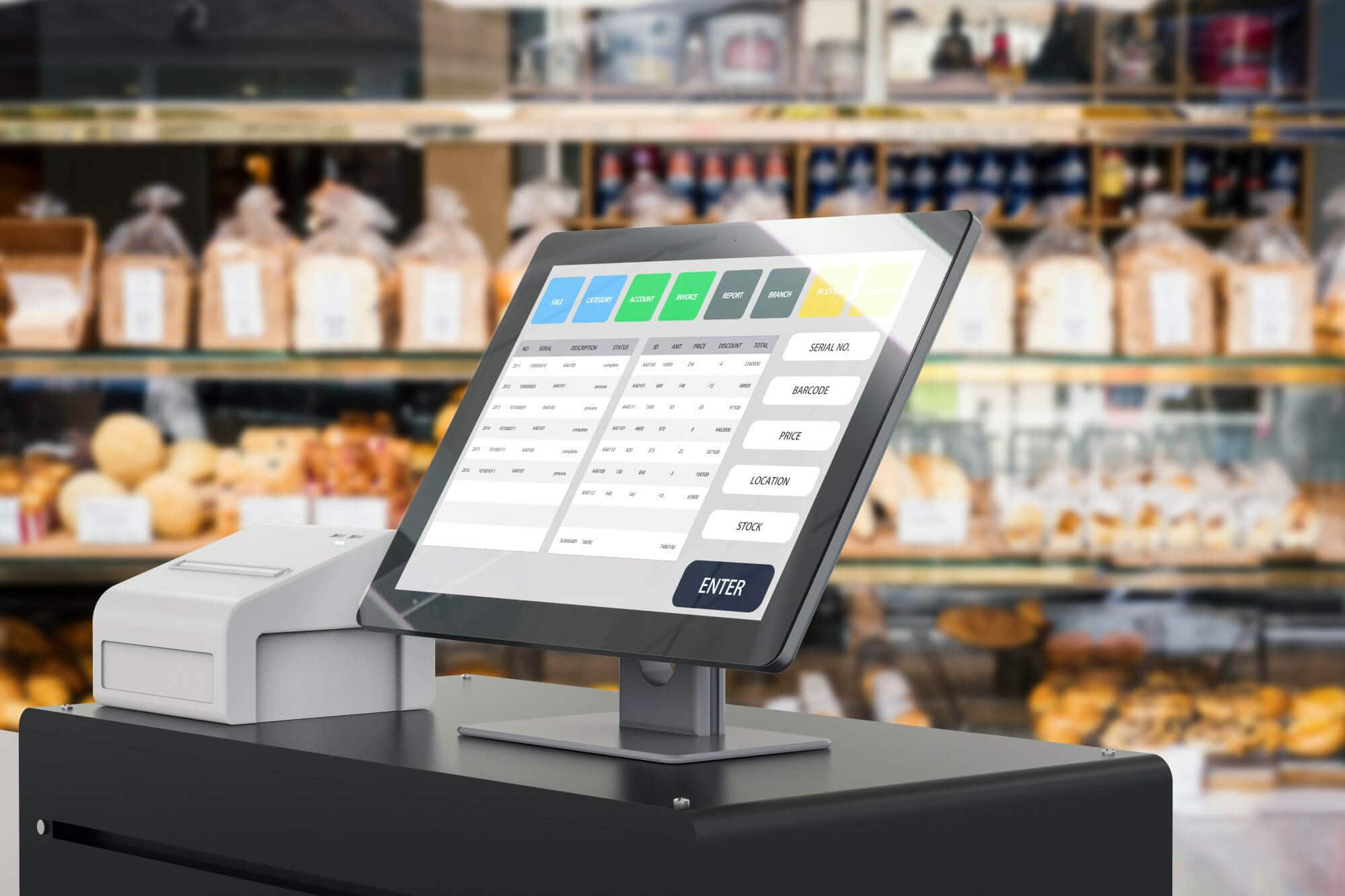
The Evolution of POS Systems: From Cash Registers to Digital Platforms
The transformation of POS systems from simple cash registers to sophisticated digital platforms mirrors the broader technological evolution within the retail sector. These changes have allowed businesses to enhance efficiency and customer service significantly.
1. From Mechanical to Digital: A Historical Overview
Initially, POS systems were nothing more than simple cash registers tasked with managing financial transactions. Limited in functionality, these mechanical devices were singularly focused on ensuring daily financial accuracy by recording cash transactions. However, with the digital revolution, electronic elements became standard, moving the systems beyond transactions to include capabilities like basic data analysis and error reduction.
As electronic cash registers emerged, they added an extra layer of precision and efficiency, allowing businesses to keep detailed sales records and helping reduce human error. This innovation was a pivotal first step toward a comprehensive digital transformation, opening the door for future developments that would enable more complex operations in retail environments.
2. The Rise of Digital POS Systems
With the advent and adaptation of digital technology, POS systems have evolved into multifaceted platforms. These systems now not only handle transactions but also provide powerful insights into inventory levels and customer behaviour. By integrating sales data, these systems enable businesses to manage inventory more effectively, ensuring that stock levels accurately reflect consumer demand.
This shift was largely driven by the rise in contactless payment options and the need for retailers to harmonize physical and digital sales channels. Retailers recognized that staying competitive required systems capable of managing the complexities introduced by online shopping and diverse payment options, thus marking a critical shift in retail operations.
3. Cloud-Based Solutions: The New Norm
The latest advancement in the evolution of POS systems is the adoption of cloud-based solutions. These systems allow for real-time data access and scalability, a necessity for both small startups and large enterprises. By utilizing cloud technology, retailers can update software remotely and integrate new functionalities without significant infrastructure changes. This also ensures a seamless experience across multiple locations.
The advantages of cloud-based systems extend beyond mere convenience; they represent a scalable, future-proof solution for rapidly growing businesses eager to adapt to an evolving market. As cloud solutions allow retailers to streamline operations and enhance data security, they are swiftly becoming the new industry standard.
Understanding The Tech: Key Features Driving Modern POS Solutions
Modern POS solutions are intricate, multifaceted systems designed to enhance business operations by making them efficient and data-driven. Let's dive into the critical features that define these systems.
1. Seamless Integration and Efficiency
Seamless integration is a hallmark feature of contemporary POS systems, and efficiency in transaction processing is one of its primary goals. These systems have moved beyond basic functionality to enable intuitive product selection interfaces, barcode scanning, and a variety of payment processing options. This creates an expedited checkout experience, minimizing customer wait times and transaction errors.
Designed to be universally adaptable, these systems cater to diverse retail environments, from small boutiques to large chain stores. By automating key processes, such as inventory updates and report generation, they allow retail staff to focus their time on improving customer relationships and expanding market reach. Furthermore, real-time data visibility offers insights critical for making informed business decisions.
2. Real-Time Inventory Management
A key advantage of modern POS systems is their real-time inventory management capability. This allows retailers to maintain optimal stock levels by tracking inventory movement and receiving notifications for items nearing depletion. With robust inventory data, businesses can avoid the pitfalls of stockouts and overstock, thereby enhancing operational efficiency.
Accurate inventory tracking has direct implications on customer satisfaction. Retail employees can confidently assist customers in locating products, which enhances the shopping experience and fosters customer loyalty. Furthermore, the insights gleaned from inventory analytics inform strategic promotional and stocking decisions, ultimately driving profitability.
3. Multi-Channel Sales Support
In today's interconnected world, consumers expect a seamless shopping experience across multiple channels. Modern POS systems enable retailers to manage sales and customer data across online and physical channels from a single platform, thus supporting multi-channel retail strategies.
This integration provides a consistent brand experience, enabling businesses to fulfill online orders in-store and manage returns efficiently regardless of purchase location. By understanding customer interactions across channels, retailers can tailor marketing campaigns to specific customer behaviors, thereby increasing engagement and driving sales.
How POS Systems Are Transforming Retail Environments
POS systems have transcended their role as mere transaction facilitators to become complex platforms that integrate various operational facets.
1. AI-Driven Analytics and Inventory Management
The incorporation of AI in POS systems allows for sophisticated data analytics. Retailers can anticipate demand surges, manage inventory proactively, and reduce costs associated with overstocking. This leads to refined inventory control and better bottom-line results. For example, an AI-enabled POS system can predict increased demand for a seasonal product, prompting timely restocking.
2. Cloud-Based Accessibility and Operational Efficiency
Cloud-based POS platforms empower retailers to access and manage data effortlessly across locations, streamlining operations. This centralized approach is particularly beneficial for businesses with multiple storefronts, allowing for uniform data management and operational decisions based on real-time insights. Such efficiency is vital for growing businesses that require scalability and consistent performance across the board.
3. Enhanced Customer Experience and Loyalty Programs
Advanced POS solutions support features such as loyalty programs and dynamic pricing, elevating the customer experience. By analyzing transactional data, businesses can offer personalized rewards and promotions, thereby fostering customer loyalty. Such targeted efforts are exemplified when a POS system offers real-time discounts to loyal customers at checkout based on their purchase history.
4. Data-Driven Decision Making and Real-Time Adjustments
Real-time data from POS systems allows retailers to make instantaneous adjustments to promotions and stock levels, responsive to customer behaviors and market demand. The detailed analytics facilitate targeted marketing and personalized offers, encouraging repeat business and optimizing stock management. This agility is crucial to meet the swift changes in consumer preferences typical of modern retail environments.
Q&A
-
What is a Point Of Sales Retail System Model?
A Point Of Sales (POS) Retail System Model is a framework that outlines the components and functionalities of a POS system used in retail environments. It typically includes hardware like barcode scanners, receipt printers, and terminals, as well as software that manages sales transactions, inventory tracking, and customer data. The model helps businesses streamline operations, improve customer service, and enhance sales efficiency.
-
How does Point Of Sales Retail System Software benefit businesses in the UK?
Point Of Sales Retail System Software provides several benefits to UK businesses, including real-time sales tracking, inventory management, and customer relationship management. It enhances operational efficiency by automating routine tasks, reduces human errors, and provides insights through analytics. This software can also integrate with other business systems, facilitating seamless operations and providing a comprehensive view of business performance.
-
What are the key features of a Point Of Sales System specifically designed for restaurants?
A Point Of Sales System for restaurants includes features such as table management, order customization, kitchen display systems, and split billing options. It is designed to handle the unique needs of a restaurant, such as managing reservations, tracking ingredient inventory, and processing various payment methods. This system aids in improving service speed, accuracy, and overall customer satisfaction.
-
Are there free Point Of Sales Retail Systems available for download, and what should businesses consider before using them?
Yes, there are free Point Of Sales Retail Systems available for download. However, businesses should consider factors such as the system's scalability, security features, and support options. While free systems can be a cost-effective solution for small businesses, they may lack advanced features and robust support found in paid versions. It's important for businesses to evaluate whether a free system can meet their long-term needs and growth plans.