
Balancing Wellness: The Role of Supplements and Healthy Meals
As interest in transforming wellness routines grows, a unique combination of pharmacology and culinary innovation emerges. The intricate dance between appetite-inhibiting supplements and enriching dishes offers a promising approach to redefining personal health journeys, weaving science and nourishment into everyday life for enhanced vitality and well-being.
Crafting Plates: The Art of Easy and Nutritious Cooking
Creating a balanced and nutritious diet is essential for optimizing wellness, and it's an art that integrates ease and wholesomeness seamlessly.
Embrace the Power of Plants
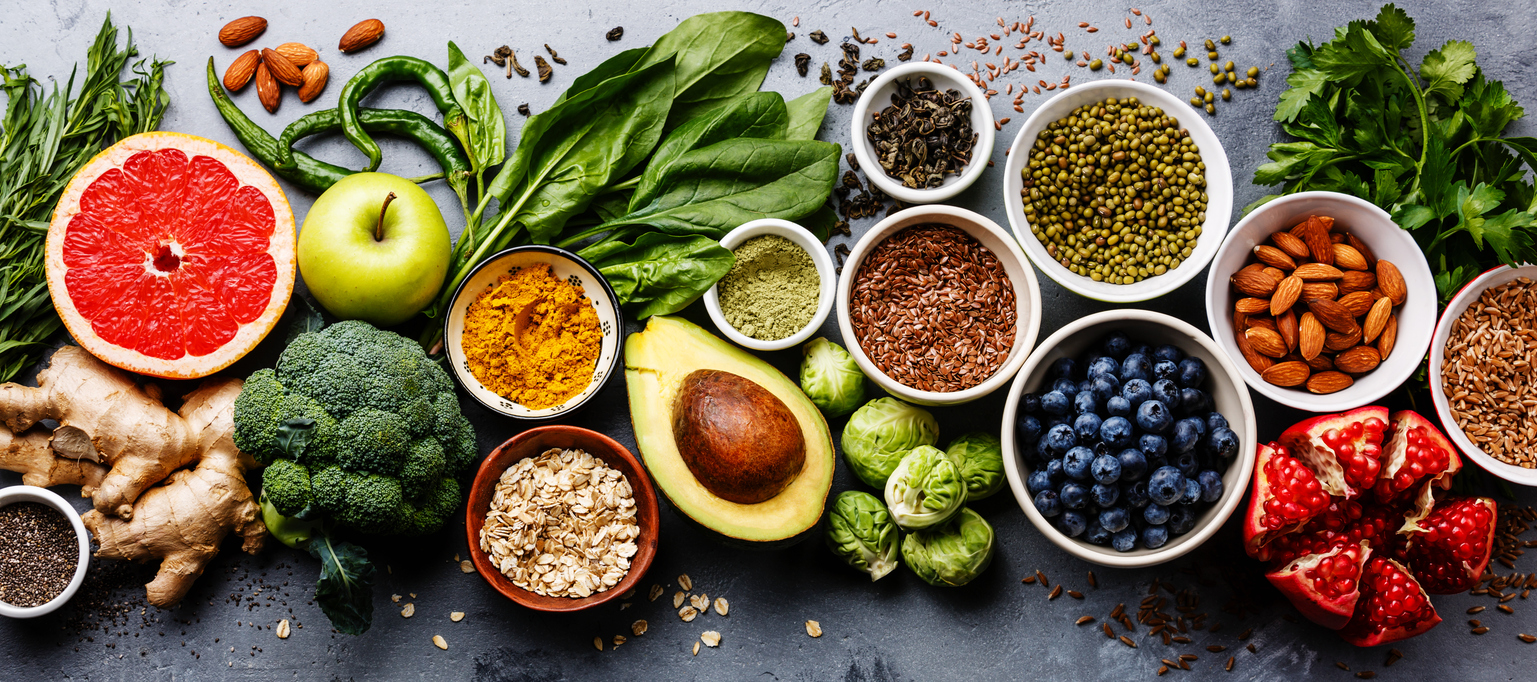
Adopting a plant-rich diet not only boosts overall health but also makes cooking an engaging and creatively rewarding experience. Incorporating a diverse array of vegetables, fruits, nuts, and seeds into one's meals provides an abundant source of vitamins, minerals, fiber, and antioxidants that are key to health. By experimenting with a variety of plant-based foods, meal preparation becomes an exploration of tastes and textures that each contribute unique nutritional benefits. Simple adjustments, like swapping refined grains for whole variants like quinoa, or enhancing smoothies with leafy greens, can substantially elevate nutrient density. A visually vibrant plate, abundant in colors, indicates a rich assortment of advantageous nutrients, making the meal both satisfying and nutritionally complete.
Simple Recipes, Big Flavor
There's a common misconception that nutritious meals have to be time-consuming or complex, but many of the healthiest meals are quite simple to prepare. By adhering to the principle of using fresh, wholesome ingredients and straightforward cooking techniques, it is possible to craft meals that impress both in appearance and taste. Minimal preparation dishes, such as sheet pan meals, are ideal for busy lifestyles—combining vegetables and proteins on a single tray with seasonings yields nourishing results after a short roasting period. Similarly, incorporating soups or stews into your cooking routine allows for batch cooking, which is efficient and ensures healthy meal options are readily available.
Balancing Your Plate for Optimal Nutrition
The goal of any well-prepared meal is to provide a balance of macronutrients. Each plate should ideally contain carbohydrates, proteins, and healthy fats in harmonious proportions. Complex carbohydrates found in whole grains, vegetables, and fruits should be chosen over refined options to steadily provide energy while being conscious of sugar intake. Lean proteins, including chicken, tofu, beans, and fish, ensure satiation and are essential for bodily repair and growth. Complementing meals with healthy fats, such as those from seeds, avocados, or olive oil, not only enhances flavor but also ensures absorption of fat-soluble vitamins, optimizing overall nutritional balance and health benefits.
Exploring GLP-1: More Than Just a Supplement
Understanding the complex role of GLP-1 supplements in health can reshape our approach to wellness, particularly in how we manage diets and healthy living.
Understanding GLP-1's Function
GLP-1, or glucagon-like peptide-1, is a hormone that is integral to the regulation of appetite and blood sugar levels. This hormone's role in controlling hunger and helping maintain glucose homeostasis has made GLP-1 receptor agonists popular as medicinal aids. These supplements mimic the body's natural hormone, thereby helping to suppress appetite and improve blood sugar control. Their use is especially attractive in weight management programs and for those dealing with certain health conditions like diabetes. Despite these benefits, relying solely on GLP-1 supplements without integrating them into a healthy lifestyle is shortsighted. These supplements should be viewed as adjunct tools that complement a holistic approach to health, which includes nutrient-dense meals and regular physical activity.
The Link Between GLP-1 and Eating Habits
The impact of GLP-1 on appetite clarity has prompted many to reassess their dietary practices. Users often report a sensation of fullness with less food, which can lead to a natural reduction in caloric intake without aggressive diet measures. This change encourages a shift toward foods that offer maximal nutritional benefits, such as fruits and vegetables, over calorie-heavy options. With a reduced appetite, consumers might find themselves reaching less frequently for dishes that are high in red meat, instead favoring healthier protein alternatives like plant-based and lean meats. This behavioral shift can not only support individual health goals but can also contribute to broader public health outcomes by promoting a culture of healthy eating.
Nutrient Density and Protein: A New Focus
Dietary patterns adapted by GLP-1 users often emphasize nutrient-dense foods that maximize health benefits per calorie consumed. The focus is increasingly on incorporating fruits, vegetables, lean proteins, and whole grains into daily meals. As the total food intake may decrease, ensuring adequate protein intake is crucial for maintaining muscle mass and overall health. Lean protein sources, such as tofu, chicken, and fish, become staples. For those engaging in fitness activities, this enhanced attention to protein can help preserve lean muscle and support recovery. This journey towards nutrient-dense and protein-focused diets aligns well with long-term health objectives, where GLP-1 supplements serve as facilitators rather than central tools.
Integrating Fitness and Nutrition: A Holistic Health Revolution
Achieving optimal health is more than a trend—it's a strategic integration of nutrition and physical activity to foster sustainable wellness.
The Power of Synergy
A synergistic relationship between physical activity and nutrition amplifies the advantages of both, leading to substantial health improvements. When engaging in exercise, the body demands specific nutrients to support muscle repair, replenish glycogen stores, and maintain cellular functionality. A nutrient-rich diet, in turn, bolsters exercise performance, expedites recovery, and can maximize the physiological benefits of your workouts. The reverse is equally true; regular exercise boosts the metabolism, enhances nutrient uptake, and modulates blood sugar levels, making a balanced diet even more effective. Together, this synergy results in enhanced energy levels, efficient weight management, and a lowered risk of lifestyle-related diseases.
Mindful Eating and Movement
Mindful practices in eating and exercise are foundational to sustained health. Adopting mindful eating involves recognizing hunger and satiety cues, savoring food without rushing, and making conscious food choices, which avoids overeating and contributes to better digestion. Mindful movement enriches this practice by selecting activities that align with one's interests and lifestyle—whether it be yoga, walking, or dancing. Engaging in stress-reducing and enjoyable activities improves mental and physical well-being. By integrating mindfulness into daily routines, one can cultivate a profound and lasting commitment to health.
Practical Strategies for Integration
Bringing fitness and nutritional strategies into a busy life can be straightforward with a few practical steps. Begin by incorporating a well-rounded breakfast that combines proteins, carbohydrates, and fats to energize the day. Introduce manageable physical activities, like taking a brisk walk during lunch or scheduling a workout session after work, to make exercise a regular part of life. Planning meals ahead ensures access to nutritious options, even on hectic days. Focusing on whole, minimally processed foods over sugary or processed alternatives supports these efforts. Simplicity and consistency are keys to success in blending nutrition and exercise seamlessly.
From Gym to Kitchen: Integrating GLP-1 with Nutrient-Rich Diets
The journey to well-being is enriched by aligning GLP-1 supplements with a diet that emphasizes nutrition and active living.
Understanding GLP-1 Supplements
GLP-1 supplements serve as an adjunct tool, supporting weight management through their ability to simulate natural hormone effects that regulate hunger and glucose. When used appropriately, these supplements enhance insulin release, slow gastric emptying, and diminish appetite, collectively contributing to reduced calorie intake and improved weight outcomes. They are most effective when paired with lifestyle changes like a balanced diet and regular physical activity. Not to be misconceived as a standalone solution, they are a catalyst for healthier living when integrated thoughtfully with everyday nutrition.
Nutrient-Rich Foods: The Foundation of Health
While GLP-1s provide appetite-regulating support, nutrient-rich foods lay the foundational structure for wellness. By advocating for a diet rich in fruits, vegetables, lean meats, and whole grains, you're nourishing your body with a wide array of essential vitamins, minerals, and antioxidants. These foods not only promote metabolic integrity but also fortify the immune system, aid in cellular repair, and support cognitive functions. Opting for whole and minimally processed foods over their high-calorie, low-nutrient counterparts enriches the body's potential to thrive.
Combining GLP-1 with a Balanced Diet
To maximize the advantages of GLP-1 supplements, marry them with a varied and balanced eating plan. Ensure your diet incorporates a generous mix of protein, carbohydrates, and fats. Given the appetite-suppressing effects of GLP-1s, prioritize protein sources to aid muscle preservation during weight loss. Lean proteins like chicken and fish, coupled with complex carbohydrates such as whole grains and fiber-packed vegetables, provide sustained energy and metabolic support. Healthy fats from avocados and nuts further complement these dietary choices. This blend of nutrition supports the therapeutic objectives of GLP-1 supplements, reinforcing a robust approach to health.
Women's Health Revolution: Easy Meals and the Power of GLP-1
Enhancing women's health begins with intuitive meal planning combined with the targeted action of GLP-1.
Addressing Unique Needs
Women's health demands adapt to different life phases such as menstruation, pregnancy, and menopause. Each stage may introduce distinct nursing needs or health challenges, underscoring the importance of tailored nutritional strategies. For instance, iron-rich foods become vital during menstruation to replenish losses, while menopause may require a nutrient focus on phytoestrogens and bone health-affirming vitamins like calcium. Understanding and catering to these unique needs with strategic food choices can help alleviate symptoms and support holistic health outcomes.
Simple and Nutritious Meal Ideas
For busy women, straightforward meal solutions that are both quick and nutritious are a necessity. Emphasize meals offering nutrient density and ease of preparation, such as overnight oats with berries and nuts for a balanced breakfast or a colorful salad with a lean protein for a fulfilling lunch. Dinner could be satisfying yet simple, like a roasted vegetable sheet pan dish. These easy meals don't just save time; they ensure that vital nutrients remain central to daily diets, enhancing energy and health without hassle.
GLP-1 and Hormonal Balance
GLP-1 supplements can assist in maintaining hormonal equilibrium, especially during tough periods like menopause. By modulating appetite and stabilizing glucose levels, GLP-1s prevent unwanted weight gain and support metabolic function, which can indirectly exert positive effects on hormone levels. While not replacements for hormone-centric therapies, GLP-1 supplements form part of an overarching health strategy that includes a considered diet and regular activity. This approach paves the way for a more manageable transition through hormonal shifts and fosters sustained wellness for women in all life stages.
The Importance of Strength Training
Strength training is pivotal for women's health, assisting in the preservation of muscle mass and supporting bone density. As women age, losing muscle mass can lead to reduced metabolic rates and increase the risk of osteoporosis and related complications. By engaging in strength training activities, such as weight lifting or resistance exercises targeting major muscle groups, these risks decrease. Incorporating strength sessions into weekly routines promotes an active metabolism, fortifies structural health, and empowers women as they maintain vitality and strength over time.
Q&A
-
What are some easy healthy meal ideas for busy individuals?
Easy healthy meal ideas for busy individuals include overnight oats for breakfast, which can be prepared the night before with oats, yogurt, chia seeds, and fruits. For lunch, consider a quinoa salad with mixed greens, cherry tomatoes, cucumber, and grilled chicken, tossed with a light vinaigrette. Dinner can be a simple stir-fry with your choice of protein like tofu or shrimp, combined with a variety of vegetables such as bell peppers, broccoli, and carrots, served over brown rice or whole-grain noodles.
-
How does Higher Up Wellness incorporate gym fitness into its programs?
Higher Up Wellness integrates gym fitness into its programs by offering personalized fitness plans that cater to individual health goals and physical capabilities. These plans often include a mix of cardio, strength training, and flexibility exercises, all designed to enhance overall wellness. They also provide guidance on proper form and technique, ensuring that participants maximize their workouts while minimizing the risk of injury.
-
What is a GLP-1 supplement and how can it benefit women's health?
A GLP-1 supplement is designed to mimic the action of the glucagon-like peptide-1 hormone, which plays a crucial role in regulating appetite and blood sugar levels. For women's health, it can be particularly beneficial in managing weight, improving metabolic health, and potentially reducing the risk of type 2 diabetes. However, it's important to consult with a healthcare provider before starting any new supplement to ensure it's appropriate for your individual health needs.
-
What are some gym fitness tips for beginners looking to improve their health?
Beginners should start by setting realistic fitness goals and gradually increasing the intensity and duration of workouts to avoid burnout and injury. It's important to learn proper techniques for exercises, either through a certified trainer or reputable online resources. Incorporating a mix of cardiovascular, strength, and flexibility exercises will provide a comprehensive workout regime. Also, ensure adequate rest and recovery time, and remember that consistency is key to seeing improvements in overall health.