
Navigating the World of Recruitment ATS: From Small Businesses to Specialized Sectors
In today's fast-paced hiring landscape, technology redefines how organizations attract and select talent. With tools that streamline processes from job postings to candidate engagement, modern solutions offer decisive efficiency and adaptability, crucial for diverse industries ranging from small firms to specialized professions.
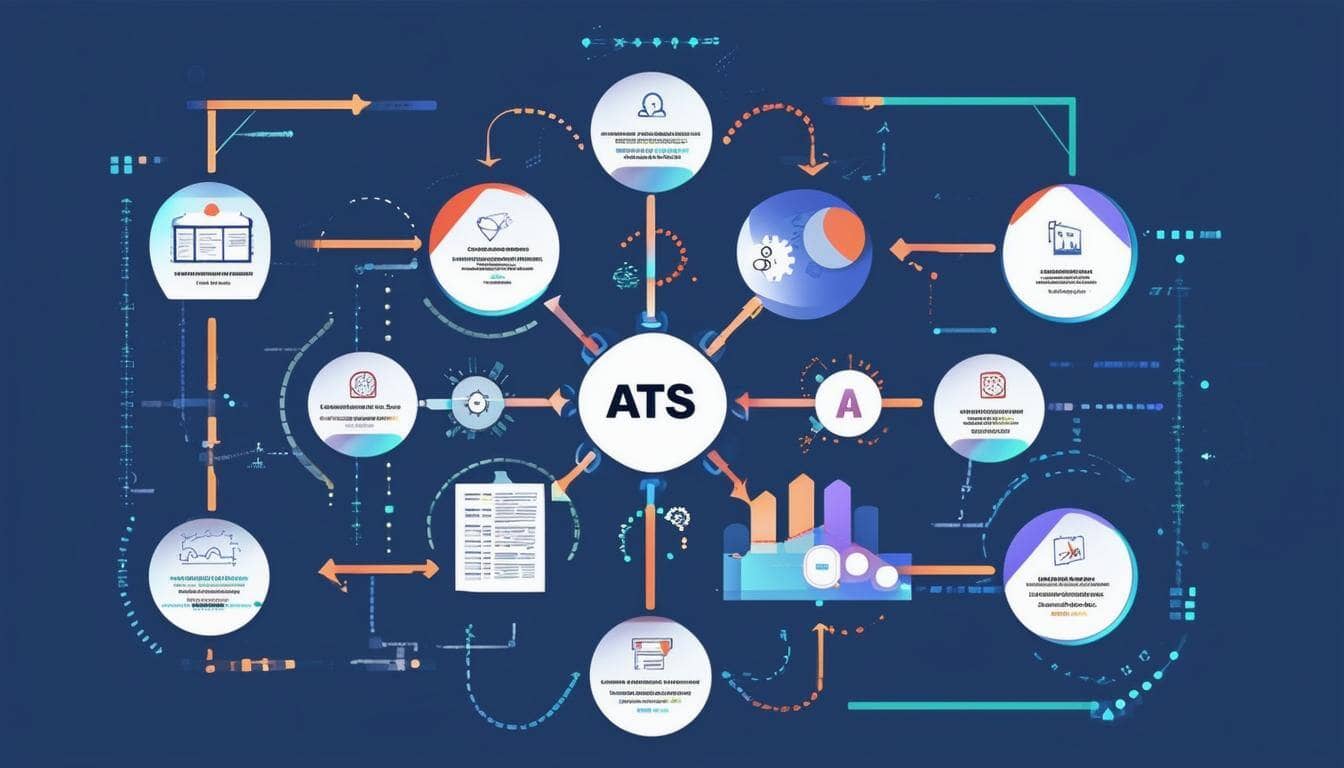
Streamlining Recruitment: How ATS Systems Transform Hiring Processes
ATS platforms are fundamentally changing how companies approach hiring. By automating and centralizing key tasks, they enable HR teams to work more efficiently, reduce errors, and make better hiring decisions.
Automation and Data Centralization
Imagine a hiring process where the burdens of scheduling, communicating, and resume scanning are drastically minimized. ATS systems achieve this by automating these tasks, allowing HR teams to focus on strategy rather than minutiae. Automation handles mundane activities such as posting job openings and sorting resumes based on qualifications. This leaves recruiters free to engage in more meaningful interactions with candidates, fostering relationships that improve recruitment outcomes.
Additionally, centralization of candidate data in ATS platforms simplifies the recruitment process. Instead of combing through spreadsheets and emails, recruiters can access all pertinent candidate information in a single interface. This unified approach not only saves time but also enhances collaboration between recruiters and hiring managers. By having a centralized data repository, every team member remains updated, ensuring consistent communication and more coherent decision-making.
Enhancing Efficiency and Collaboration
The automation and centralization offered by ATS solutions bring about significant advances in recruitment efficiency. By eliminating repetitive tasks and reducing data silos, these systems shorten the time-to-hire, a crucial advantage for organizations needing quick turnaround to fill roles. Furthermore, faster processing improves the candidate experience, making organizations more appealing to high-caliber applicants.
The collaborative features of ATS systems ensure that all stakeholders in the hiring process are synchronized. Real-time data sharing and feedback loops allow for a seamless flow of information, facilitating timely and informed hiring decisions. This collaborative environment leads to better recruitment strategies and outcomes, benefiting both the organization and the candidates.
Tailored Solutions for Small Businesses
Small businesses often face unique hiring hurdles that require a different approach than larger corporations. Applicant Tracking Systems (ATS), designed to streamline the recruitment process, can be a game-changer for these organizations, but only if they're tailored to their specific needs. Let's explore how ATS solutions can address the challenges faced by small businesses in finding and hiring the right talent.
Customization and Scalability for Small Enterprises
For small businesses operating with limited budgets and HR teams, an ATS must offer customization and scalability. Customizable features allow these businesses to adjust the software to fit their immediate needs without incurring excessive costs. For growing enterprises, scalable solutions ensure the ATS can expand alongside the business, supporting increased hiring without system overhauls.
Key features for small business ATS include easy integration with existing platforms, such as email clients and job boards. A user-friendly design is essential, especially given the often limited technical expertise in small HR teams. Automation of repetitive tasks, including resume parsing and communication, is crucial for maximizing the efficiency of small teams.
The Integration of AI and Cost-Effectiveness
Artificial intelligence is transforming recruitment for businesses of all sizes, but it can be particularly impactful for small businesses. AI-powered tools quickly identify qualified candidates, saving both time and resources. These tools analyze resumes and conduct initial assessments, allowing small enterprises to focus on the most promising candidates, thereby enhancing the quality of hires.
While premium ATS solutions offer a comprehensive suite of features, they may be prohibitive for small businesses. Fortunately, there are capable low-cost or even free options that leverage AI and automation to provide essential functionality. Businesses must weigh their needs against their budgets to select ATS systems that deliver the best return on investment.
Exploring ATS Systems in Specialized Sectors
Specialized sectors, such as legal or healthcare, have distinct recruitment needs that standard ATS setups may not fully address. Customization is vital in these fields to meet stringent compliance and skills requirements.
Customization in Highly Regulated Industries
Industries like finance and healthcare operate under strict regulations, often involving sensitive data. A generic ATS might falter under such demands. In these specialized sectors, tailored ATS solutions provide the adaptability required to meet compliance standards and data security requirements. Custom systems ensure recruitment processes are efficient while adhering to regulatory frameworks.
Features of a specialized ATS include sophisticated screening tools capable of assessing niche skills and certifications. Automated compliance checks ensure candidates meet industry-specific criteria. Moreover, industry-specific reporting tools allow recruiters to derive actionable insights, improving hiring strategies and ensuring adherence to regulations.
Operational Benefits and Case Applications
Implementing an ATS tailored to a specialized sector yields numerous benefits. Compliance is enhanced through automated checks, reducing legal risks. The recruitment process becomes more efficient, cutting down on the time and resources spent on hiring. Improved quality of hires often results, as tailored assessment tools ensure only the most qualified candidates progress.
Consider a legal firm using an ATS to screen candidates based on their experience with specific legal software. This level of customization ensures that only suitable candidates are considered, streamlining the hiring process. Similarly, healthcare organizations might utilize ATS to confirm the certifications of medical staff, safeguarding patient care standards.
Evaluating the Ethical Dimensions of ATS
As ATS systems become more sophisticated, ethical considerations, especially around bias and fairness, assume greater importance. It's crucial to navigate these issues to ensure ethical recruitment practices.
Identifying and Mitigating Bias
Systemic bias in ATS systems can have considerable financial and social costs. Bias can lead to slower hiring, suboptimal decisions, and high turnover rates. Identifying bias in ATS algorithms is essential to prevent discrimination. AI can help address bias by focusing on skills and capabilities rather than demographic factors.
"Neutral-first" AI systems standardize candidate evaluation, minimizing the discriminatory potential of inference. Such systems enhance fairness, productivity, and, ultimately, talent acquisition.
Ensuring Transparency and Fairness
Embedding fairness in ATS systems is not just ethical; it mitigates economic and legal risks. Transparent algorithms and continuous auditing are essential to avoiding biased outcomes. Companies must foster ATS systems that bolster inclusivity and diversity while ensuring compliance with relevant regulations.
Recruitment automation should balance efficiency with ethical considerations, thus providing equitable hiring opportunities. A proactive approach to fairness enhances the candidate experience and attracts a diverse pool of applicants.
Q&A
-
What are Recruitment ATS Systems and what is their primary function?
Recruitment ATS Systems, or Applicant Tracking Systems, are software solutions designed to streamline the hiring process. Their primary function is to manage the recruitment workflow, including the collection, organization, and analysis of candidate information. By automating these tasks, ATS systems help recruiters save time, improve efficiency, and make more informed hiring decisions.
-
What are some examples of Recruitment ATS Systems suitable for small businesses?
Small businesses often benefit from ATS systems that are cost-effective and easy to use. Some popular examples include Breezy HR, Zoho Recruit, and Freshteam. These systems offer essential features like resume parsing, candidate tracking, and interview scheduling, making them ideal for businesses with limited HR resources.
-
Why might accountants need specialized Recruitment ATS Systems?
Accountants often require ATS systems that can handle specific needs such as verifying professional qualifications and managing compliance with industry regulations. Systems like Lever and Greenhouse can be tailored to track certifications, streamline the vetting process, and ensure that candidates meet the necessary accounting standards.
-
What are some of the best ATS Systems available in the market today?
Some of the top-rated ATS systems currently available include Workday, Bullhorn, and iCIMS. These systems are known for their robust features, scalability, and ability to integrate with other HR tools, making them suitable for businesses of all sizes looking for comprehensive recruitment solutions.
-
Can you list the Top 10 ATS Systems and their standout features?
The Top 10 ATS Systems often highlighted for their features include:
- Workday: Known for its comprehensive HR suite integration.
- Bullhorn: Offers excellent CRM capabilities.
- iCIMS: Provides a strong emphasis on user experience.
- Greenhouse: Focuses on structured hiring processes.
- Lever: Known for its collaborative recruiting features.
- JazzHR: Offers affordable pricing for small to medium-sized businesses.
- SmartRecruiters: Provides a high level of customization.
- BambooHR: Includes robust reporting and analytics tools.
- Jobvite: Known for its strong social recruiting capabilities.
- Recruitee: Offers easy-to-use drag-and-drop pipeline features.
Each of these systems is designed to meet various organizational needs, from startups to large enterprises, with features tailored to enhance the recruitment process.
References: