
Optimizing Warehouse Racking: Innovations in Density and Safety
As technological advancements reshape industrial landscapes, storage methods are evolving rapidly, especially in Europe. Cutting-edge innovations are enhancing space utilization while ensuring operational safety. From adaptive systems for chilled environments to dynamic solutions maximizing existing capacities, these developments are transforming storage into a more efficient, resilient resource.
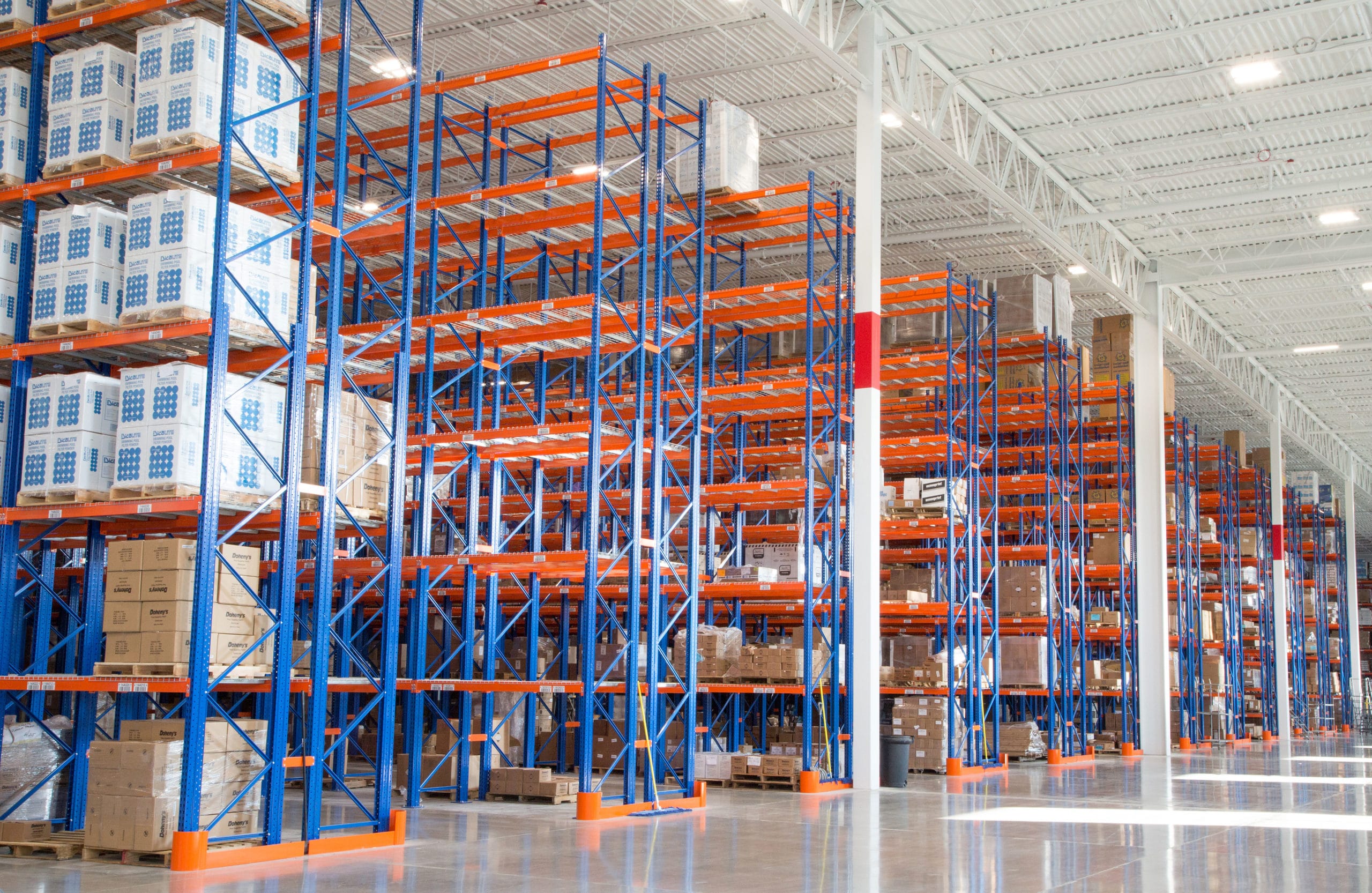
Maximize Every Inch: Innovating High-Density Racking Solutions
Efficient use of space is crucial to warehouse operations. High-density racking solutions allow businesses to maximize their current facilities without costly expansions.
Understanding High-Density Racking
High-density racking systems reduce aisle space and enhance storage within existing areas. These systems aim to efficiently increase space utilization, supporting different warehouse designs and inventory strategies. At the heart of these systems is the ability to store more items in less space, significantly boosting operational efficiency and cutting costs.
Types of High-Density Racking Systems
Several racking systems are designed for high-density storage, each offering unique benefits. Drive-in and drive-through racks facilitate different inventory approaches, such as LIFO and FIFO. Pallet flow systems utilize gravity for seamless stock rotation, while push-back systems automate pallet adjustments via nested carts. Mobile racking allows flexible storage by creating aisles only as needed, thus conserving space. AS/RS provides unparalleled density by automating item retrieval, suitable for industries requiring high precision.
Benefits of High-Density Racking
The advantages of high-density systems are manifold, including increased storage capacity without expanding warehouses. They optimize space utilization and cut the need for new facilities. With enhanced inventory management options, they reduce operational costs by streamlining labor and energy consumption. These systems also improve throughput and order fulfillment rates—a crucial advantage in today's fast-paced market.
Considerations for Implementation
Choosing the right high-density racking includes assessing product specifications, inventory strategies, and existing layouts. Cost considerations should guide you to a system offering the best value, while ensuring your forklifts are compatible with the chosen racking. These assessments ensure that the racking solution meets specific functional and budgetary needs.
The Future of High-Density Racking
Future prospects involve integration of automation, robotics, and analytics in high-density racking. Emerging trends point towards advanced AS/RS and AI-powered systems that can adapt retrieval processes. These advancements promise further efficiencies, cost reductions, and safety enhancements, showcasing the evolving landscape of warehouse storage solutions.
Braving the Chill: Adaptive Racking for Cold Storage
Cold storage facilities present unique challenges in preserving perishable goods. Racking systems must adapt to these environments while avoiding significant condensation and structural weaknesses.
Automation Integration in Cold Storage
The integration of robotic solutions is a game-changer for cold storage warehouses. Automated guided vehicles (AGVs) and autonomous mobile robots (AMRs) enhance efficiency by minimizing manual labor and ensuring compliance with temperature controls. These advanced systems perform with precision, swiftly handling goods while maintaining optimal conditions. Many cold chain facilities across Europe have begun to harness these technologies, recognizing their ability to meet rigorous demands for speed and accuracy. For sectors like personalized medicine, where precision in handling is vital, AI-driven order-picking reduces errors and guarantees compliance with stringent standards.
Benefits of Automated Systems
Automated storage and retrieval systems (ASRS) are essential for refrigerated warehousing, optimizing both storage density and energy efficiency. This technology supports seamless management of temperature-sensitive goods, which is especially critical in specific sectors such as pharmaceuticals. The robotics involved operate like a well-coordinated ballet, moving items to ensure they remain in the desired climatic conditions. The strategic layout and robotics reduce energy consumption while maximizing space, illustrating a sophisticated approach essential for competitiveness in this field.
Addressing Cold Chain Challenges
Adapting warehouse racking for cold storage is vital for maintaining the quality of temperature-sensitive products like foods and pharmaceuticals. Significant investments in adaptive storage help build supply chain resilience and address fragmented cold storage value chains. Innovations in racking systems are imperative for tackling infrastructure gaps, ultimately ensuring that the EU supply chains are robust and future-proofed. Embracing these solutions can transform cold storage facilities from logistical challenges into focal points of efficiency and reliability.
Transforming Storage: The Evolution of Racking Systems and Management Tools
Racking systems are core to effective supply chain management. They adapt to rapidly changing industry requirements, from temperature regulation to e-commerce agility.
Racking for Cold Storage
Cold storage challenges include temperature consistency, condensation management, and structural resilience. Racking in these conditions demands specialized materials and configurations that withstand harsh environments and optimize space. Material innovation, such as corrosion-resistant alloys, plays a pivotal role in ensuring durability. The design integrates features like ventilation systems to manage moisture, ensuring integrity and efficiency.
E-Commerce Fulfillment Racking
E-commerce growth requires rapid, precise fulfillment solutions. Multi-tier designs amplify vertical storage, facilitating diverse SKU management. Tapping into technologies like pick-to-light systems, which direct order pickers, improves accuracy and speed. Automation systems integrate seamlessly with racking, enhancing efficiency in managing fluctuating demands.
Specialized Racking Solutions
Beyond common categories, industries require tailored racking designs. Cantilever racks accommodate long goods, while coil and drum racks cater to specific needs such as storing steel rolls or liquid powders. These specialized solutions address diverse industry challenges, underscoring the flexibility and adaptability of modern racking systems.
The Role of Management Tools
Effective racking must be coupled with robust management tools. Warehouse management systems (WMS) provide vital oversight into inventory, utilizing technologies like barcodes and RFID for precise tracking. Analytics-driven insights enhance layout optimizations and overall operational performance, ensuring that racking solutions are responsive, efficient, and predictive.
Sustainability in Warehouse Racking
Sustainable practices in racking align with corporate responsibility and environmental goals. Using recycled materials reduces carbon footprints, while energy-efficient lighting cuts down on consumption. Strategic layouts decrease equipment travel distances, lessening fuel usage and emissions. These initiatives exemplify the commitment to landfill reductions and cleaner operations.
The integration of adaptive racking and smart management tools marks a transformative era in warehouse operations. Engaging these advancements ensures fulfillment of both current needs and future market demands, positioning businesses to thrive in an ever-evolving industrial landscape.
Q&A
-
What are the key benefits of implementing a Godrej Warehouse Management System in the EU manufacturing sector?
Implementing a Godrej Warehouse Management System offers several advantages for the EU manufacturing sector, such as improving inventory accuracy, reducing operational costs, and enhancing supply chain efficiency. This system integrates seamlessly with existing ERP systems to optimize warehouse operations, providing real-time data that helps in making informed decisions and improving overall productivity.
-
How do High Density Racking Systems contribute to efficient Manufacturing Storage Solutions?
High Density Racking Systems maximize storage space by allowing more goods to be stored within a smaller footprint, which is essential for manufacturing facilities with limited space. These systems facilitate better organization, improve accessibility, and increase throughput by minimizing the time required to retrieve items. This efficiency is crucial for maintaining competitive manufacturing operations in the EU.
-
What considerations should be made when designing a Warehouse Racking Layout for a new facility in Europe?
When designing a Warehouse Racking Layout for a new facility in Europe, factors such as available space, types of products to be stored, weight capacity, and accessibility requirements should be considered. Compliance with EU safety regulations and standards is also crucial. It's important to plan for future scalability and flexibility to accommodate changes in inventory and business growth.
-
Why is Mobile Racking Cold Storage an effective solution for temperature-sensitive goods in European warehouses?
Mobile Racking Cold Storage is effective for temperature-sensitive goods as it offers high-density storage while maintaining the necessary environmental conditions. This system reduces energy consumption and operational costs by optimizing space usage and minimizing the volume of air that needs to be cooled. It is particularly beneficial in the EU, where energy efficiency and space optimization are key concerns.
-
What factors determine the Pallet Racking Weight capacity in a warehouse setting?
The Pallet Racking Weight capacity is determined by several factors, including the type of materials used in the racking system, the design and construction of the racks, and the configuration of the racking layout. It's essential to comply with EU safety standards to ensure the structural integrity and safe operation of the racking systems. Regular inspections and maintenance are necessary to uphold these standards.
-
How do Warehouse Pallet Storage Solutions improve warehousing services in the EU?
Warehouse Pallet Storage Solutions enhance warehousing services by optimizing space utilization, improving inventory management, and facilitating faster order fulfillment. These solutions are tailored to meet the specific needs of businesses in the EU, taking into account local regulations and logistics requirements. By improving operational efficiency, these solutions contribute to a more streamlined supply chain.
-
What role do Material Handling Racks play in modern Racking Systems in Warehouses?
Material Handling Racks are integral to modern Racking Systems in Warehouses as they provide the necessary support for organizing, storing, and moving products efficiently. They improve workflow by ensuring that items are easily accessible and safely stored, reducing the risk of damage and increasing operational efficiency. In the EU, these systems are designed to meet stringent safety and quality standards.