
Transforming Business Landscapes with Intelligent Automation Solutions
In today's rapidly evolving business environment, intelligent systems drive significant shifts. These advanced solutions redefine tasks from coordination to analysis, enabling enterprises to enhance operations, optimize resources, and accelerate growth, establishing a new standard in dynamic organizational efficiency and adaptability.
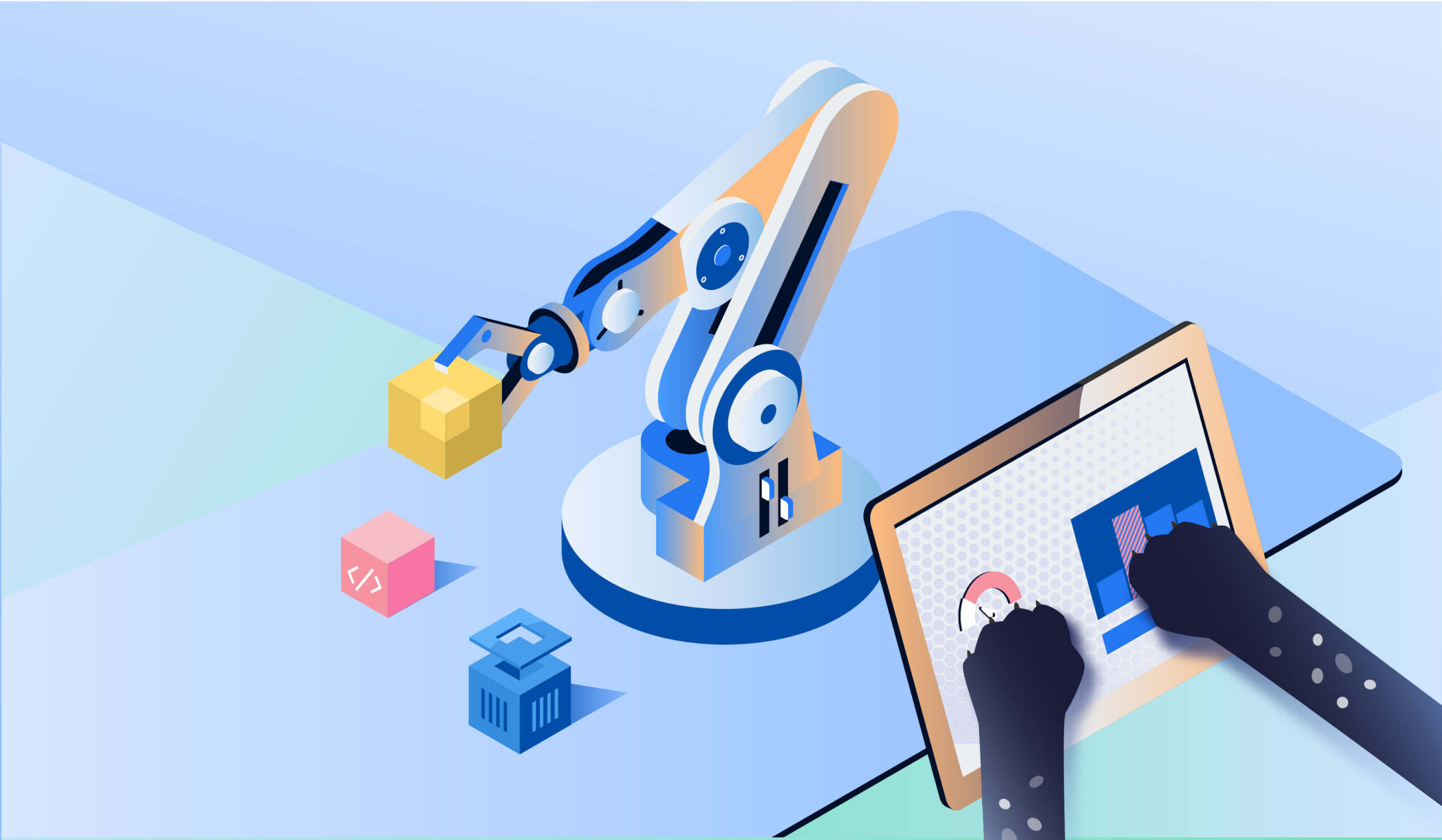
Unleashing the Power of Intelligent Systems in Diverse Sectors
AI automation tools have permeated every industry, transforming the foundational structures of business processes. From predictive maintenance in manufacturing to smart content creation in marketing, these systems have become integral.
Harnessing Automation in Operations and Marketing
In various sectors, automation tools streamline processes and enhance workflow efficiency. Notable examples include automation software that facilitates seamless integration across platforms and functions, reducing manual interventions.
Such tools reduce operational friction, allowing for smoother transactions and communications across departments. By diminishing errors and improving response times, they create a cohesive and efficient working environment. This platform is especially effective for teams looking to integrate AI-driven processes without the need for extensive coding knowledge.
Moreover, Relevance AI stands out by enabling the building, testing, and management of AI agents tailored for business functions in operations, sales, and marketing. With its modular architecture and pre-built templates, businesses can rapidly deploy AI solutions without needing to start from scratch, integrating seamlessly with existing major tools.
These tools are at the forefront of a shift towards smarter operations, capable of handling complex tasks with minimal human oversight. Organizations that adopt these systems often report increased productivity and reduced costs, marking a significant step forward in the pursuit of operational excellence.
Impact on Sales and Customer Engagement
In the realm of sales and customer interaction, automation tools revolutionize traditional methods, offering more profound insights and personalization. Platforms that integrate AI models analyze customer behaviors and preferences, driving optimized sales strategies and personalized marketing campaigns.
The use of AI in sales extends to creating dynamic content that adjusts in real-time, capturing customer interest more effectively. By utilizing AI-driven insights, companies cultivate a better understanding of market trends and customer patterns, enabling them to respond promptly and appropriately.
As these technologies evolve, they not only offer efficiency but also serve as vital tools for strategic planning. The ability to swiftly analyze and react to market conditions gives businesses a competitive edge, promoting agility and responsiveness.
Optimization in Human Resources and Employee Management
The HR sector has also witnessed a profound transformation with automation. Platforms dedicated to staff scheduling and workforce management optimize time allocation, mitigate scheduling conflicts, and ensure compliance with labor laws.
Automation tools facilitate seamless communication between employees and HR, improving transparency and employee satisfaction. For instance, AI-driven platforms analyze workforce patterns, predicting staffing needs and allowing managers to make data-driven decisions.
By leveraging automation in HR, businesses not only streamline administrative tasks but also enhance employee engagement and productivity. This empowers HR professionals to focus on strategic initiatives and talent development, rather than routine task management.
Advancements in Testing and Quality Assurance
Automation has brought significant enhancements to software testing and quality control, ensuring more reliable and efficient processes.
Revolutionizing Software Testing Processes
Automation testing tools have transformed software development by streamlining the testing process and reducing the time to market for new products. These tools perform repetitive tests, detect errors early, and ensure quality standards are met consistently.
The automation of software testing eliminates manual errors, increases test coverage, and accelerates the delivery of high-quality software. Automated Software Testing Solutions can simulate thousands of virtual users interacting with an application, unveiling issues that might go unnoticed in traditional testing scenarios.
Moreover, test automation tools integrate seamlessly with development environments, providing developers with immediate feedback and enabling continuous improvement. This integration is crucial in industries where time-to-market provides a competitive advantage.
Ensuring Continuous Quality with Predictive Analytics
Predictive analytics, powered by AI, plays a critical role in quality assurance. By analyzing data trends and historical performances, AI can forecast potential failures or defects even before they occur.
This proactive approach leads to significant reductions in downtime and maintenance costs while enhancing the overall quality of products and services. Such predictive capabilities are invaluable in sectors like manufacturing, where operational efficiency and reliability are paramount.
Organizations utilizing these technologies witness improved outcomes, from reduced incidences of defects to increased customer satisfaction and loyalty. The foresight provided by AI-powered analytics informs not only operational adjustments but also strategic planning, guiding businesses toward sustained growth and profitability.
Crafting Extraordinary Customer Experiences
As businesses increasingly recognize the importance of customer experience, automation tools are being leveraged to enhance interactions and satisfaction.
AI in Customer Interaction: Beyond Traditional Boundaries
AI has become a cornerstone of modern customer service, enabling businesses to offer personalized and immediate responses across various platforms. Automated systems can now predict customer needs based on behavioral data, ensuring meaningful and engaging interactions.
Virtual assistants and chatbots, powered by AI, provide 24/7 customer support, handling inquiries and resolving issues efficiently. Their capability to understand and process natural language means they can interpret customer queries more accurately than ever.
The integration of AI in customer service does more than enhance the customer experience; it also reduces the burden on human staff, allowing them to focus on complex queries that require a human touch. This division of labor enhances overall service efficiency.
Enhancing Engagement Through Personalized Marketing
By examining customer data, AI can uncover insights into buying patterns and preferences, facilitating targeted marketing campaigns that resonate with individual consumers. This personalized approach leads to stronger brand loyalty and increased sales.
Automation tools that deliver predictive analytics help businesses tailor their marketing efforts, ensuring they reach their audience effectively. These tools analyze vast datasets, identifying which strategies yield the best return on investment and adjusting campaigns in real time for optimal results.
Such advancements empower marketing teams to focus on creative strategies, utilizing data not just for personalization, but to craft campaigns that align with broader business objectives, driving growth and enhancing market position.
Navigating Challenges and Exploring Future Opportunities
While AI and automation offer unparalleled advantages, they also come with a set of challenges that businesses must navigate to unlock their full potential.
Addressing Misconceptions and Technical Hurdles
Many businesses harbor misconceptions about the complexity and cost of AI implementation, fearing that such technologies are beyond their reach. The reality, however, is that with platforms providing no-code solutions, AI is more accessible than ever, allowing businesses of all sizes to reap its benefits.
Technical challenges, such as data privacy and system integration, remain critical considerations. Companies must prioritize robust data management strategies to ensure compliance and security. Furthermore, integrating AI across disparate systems requires careful planning to avoid operational disruption.
Implementing these technologies will necessitate ongoing learning and adaptation, equipping employees with the necessary skills to manage and interact with AI systems effectively.
Future Prospects in the AI-Driven Landscape
The trajectory of AI is bound to accelerate, with continued advancements opening new possibilities. Businesses that embrace these technologies will find themselves well-positioned to capitalize on emerging opportunities.
In sectors like healthcare, AI promises revolutionary changes, from patient data management to treatment personalization. In retail, it could redefine consumer experience through virtual environments and fully autonomous service models.
The key to navigating the future lies in strategic investment and innovation. By staying attuned to technological advancements and adapting them to organizational needs, businesses will not only survive but thrive in a rapidly changing landscape.
In conclusion, AI-powered automation is a transformative force in the business world, offering unprecedented opportunities for growth and innovation. Embracing these technologies will redefine traditional boundaries and pave the way for a new era of business excellence.
Q&A
-
What is Business Process Automation Software and how can it benefit organizations?
Business Process Automation Software refers to technology solutions designed to automate complex business operations, reducing the need for manual intervention. It benefits organizations by increasing efficiency, reducing errors, and freeing up human resources for more strategic tasks. By streamlining workflows, companies can improve productivity and focus on growth initiatives.
-
How does Staff Scheduling Software improve workforce management?
Staff Scheduling Software automates the creation and management of employee schedules. It optimizes shift planning by considering employee availability, skill sets, and labor laws. This leads to improved workforce management by minimizing scheduling conflicts, enhancing employee satisfaction, and ensuring optimal staffing levels to meet business demands.
-
Why is Automation Software crucial for modern businesses?
Automation Software is crucial because it enables businesses to automate repetitive tasks, ensuring consistency and accuracy. It helps in scaling operations, reducing operational costs, and improving service delivery. As companies grow, automation becomes essential to maintain competitive advantage and adapt to market changes swiftly.
-
What role do Automation Testing Tools play in software development?
Automation Testing Tools are essential in software development as they allow for the automatic execution of tests to ensure the software functions as expected. These tools enhance testing efficiency by running extensive test cases quickly, identifying bugs early, and supporting continuous integration and delivery (CI/CD) practices, which leads to faster and more reliable software releases.
-
How can Marketing Automation Software transform marketing strategies?
Marketing Automation Software streamlines and automates marketing tasks such as email campaigns, social media posting, and lead nurturing. It allows marketers to deliver personalized experiences to customers at scale, track campaign performance, and optimize strategies based on data-driven insights. This transformation leads to increased engagement, higher conversion rates, and a better return on investment (ROI).
References: